
Red Clay Christmas lighting guide · North Atlanta
Use the early planning window to collect property facts and align decision-makers before seasonal calendars become the main constraint. This guide helps property managers prepare a clearer conversation about comparing Christmas light installation proposals without treating an online article as a price, availability promise, or final scope.
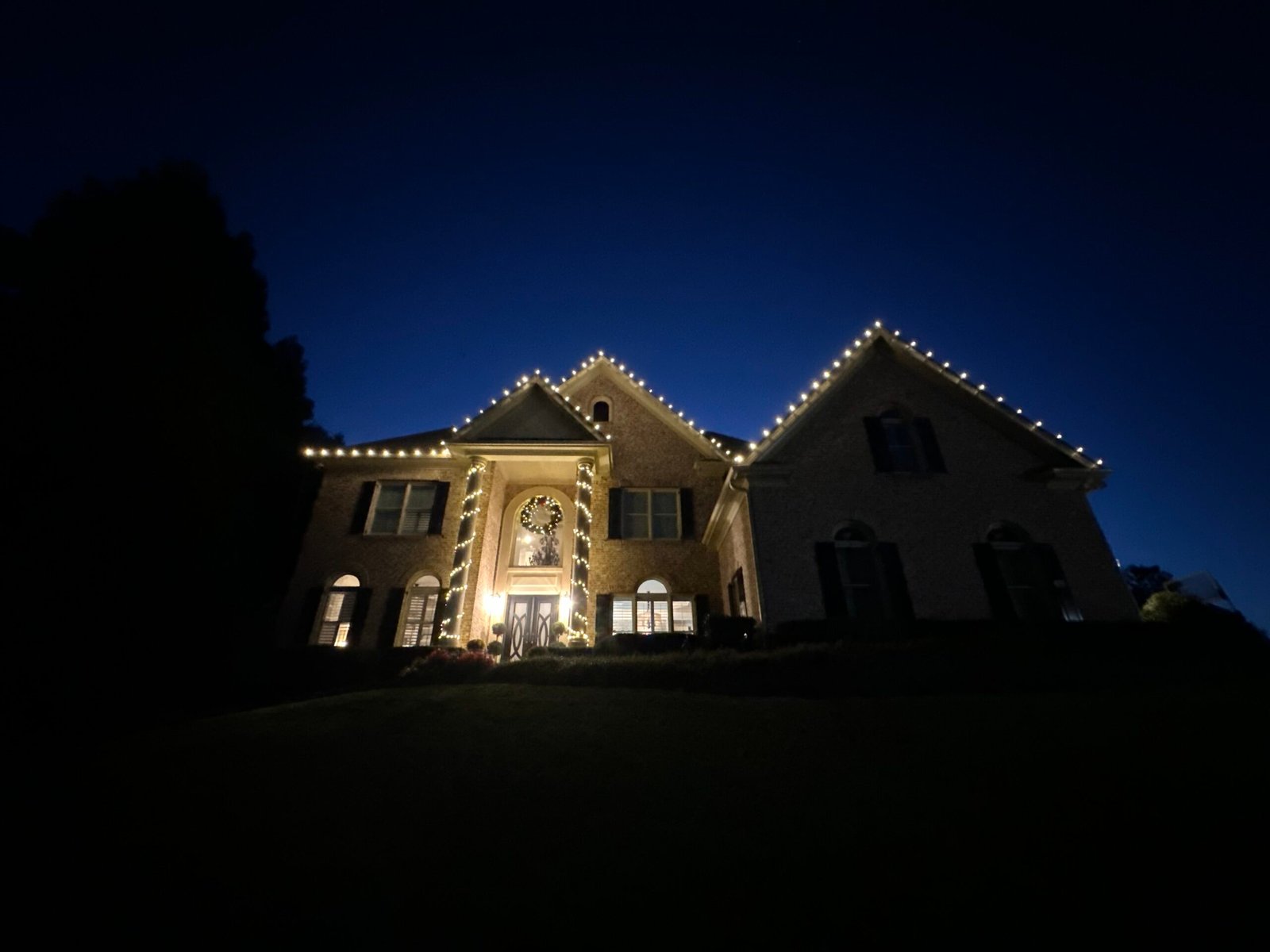
What this planning decision covers
The focus is scope clarity, exclusions, responsibilities, timing, service expectations, and the information needed for a fair comparison. The lowest visible number does not reveal whether two proposals cover the same work. A fair comparison begins with matching scope, materials, service expectations, removal responsibilities, and property access assumptions.
Property teams should document operating hours, access limitations, stakeholder approvals, public-facing priorities, and the person responsible for seasonal communication. The goal is not to select a generic package. It is to give Red Clay enough property-specific context to discuss fit, priorities, timing, and the next step.
Access and Approval Planning
identify restricted areas, operating hours, gate or parking rules, stakeholder approvals, and the onsite contact. Access and approval details can affect how a project is evaluated and scheduled. Recording them early helps prevent a visually strong concept from conflicting with property operations.
- Record the exact property address and the areas visible from normal approaches.
- Separate must-have display areas from optional ideas.
- Identify access limits, operating hours, gates, parking rules, and approval contacts.
- State the desired completion window without assuming availability.
- Ask what installation, materials, seasonal service, removal, and storage are included in the written scope.
How to evaluate the property before the call
Walk the property in daylight and, when practical, after dark. Note the views that matter from the street, parking areas, entrances, shared spaces, and interior gathering areas. Photographs should show the full elevation as well as any detailed area being considered. For a managed property, also record anything that could affect access or require another decision-maker.
A useful priority list names what should lead the display, what can remain secondary, and what should be excluded. That list makes it easier to discuss alternatives while keeping the final commitment inside a written proposal.
A practical way to compare options
Compare each option against the same property objective: scope clarity, exclusions, responsibilities, timing, service expectations, and the information needed for a fair comparison. For property managers, that comparison should also reflect the approval process and the operational details that matter for a managed property. An idea that looks attractive in isolation may be less useful if it ignores the main viewing angle, access rules, or the areas people actually use.
Ask for alternatives to be described in plain language. One option might emphasize a primary roofline or entrance, while another may distribute attention across several features. The useful question is not which description sounds larger. It is which confirmed scope most directly supports the stated priorities, timing, access conditions, and service expectations.
Questions that belong in the written scope
- Which exact rooflines, entries, trees, landscape features, buildings, or shared areas are included?
- Who supplies the lighting, greenery, controls, and installation materials?
- What access, operating-hour, parking, or approval assumptions affect the work?
- How are in-season issues reported, and what service is included?
- What are the confirmed responsibilities for takedown, ownership, labeling, handling, and storage?
What not to assume from an online guide
An article cannot confirm availability, price, electrical capacity, attachment methods, materials, response times, maintenance terms, removal dates, or storage. Those details depend on the property and the proposal Red Clay actually confirms. Treat examples and checklists as preparation tools, not contractual inclusions.
Prepare a concise call brief
Before calling, put the essentials in one note: the address, property type, top three display priorities, preferred viewing angles, desired timing, access limitations, approval contacts, and available photographs. Add the questions raised by this access and approval planning. That brief helps the conversation stay focused while leaving room for Red Clay to identify information that cannot be confirmed online.
Red Clay local service guides
Commercial and managed-property service areas
Property managers comparing proposals can use these local service guides to confirm coverage and prepare the property address before calling.
Explore all 28 approved service areasContinue planning with Red Clay
Review the professional Christmas light installation service, compare estimate and cost factors, and use the booking timeline guide. Then call (770) 635-6811 with the property address, photographs, priorities, access notes, and desired timing.
