
Red Clay Christmas lighting guide · North Atlanta
How to Define the Scope: roofline Christmas lighting for homeowners in Tucker, GA
Post-season planning should return to the written scope for removal, handling, ownership, labeling, and any confirmed storage responsibility. This guide helps homeowners in Tucker, Georgia prepare a clearer conversation about roofline Christmas lighting without treating an online article as a price, availability promise, or final scope.
What this planning decision covers
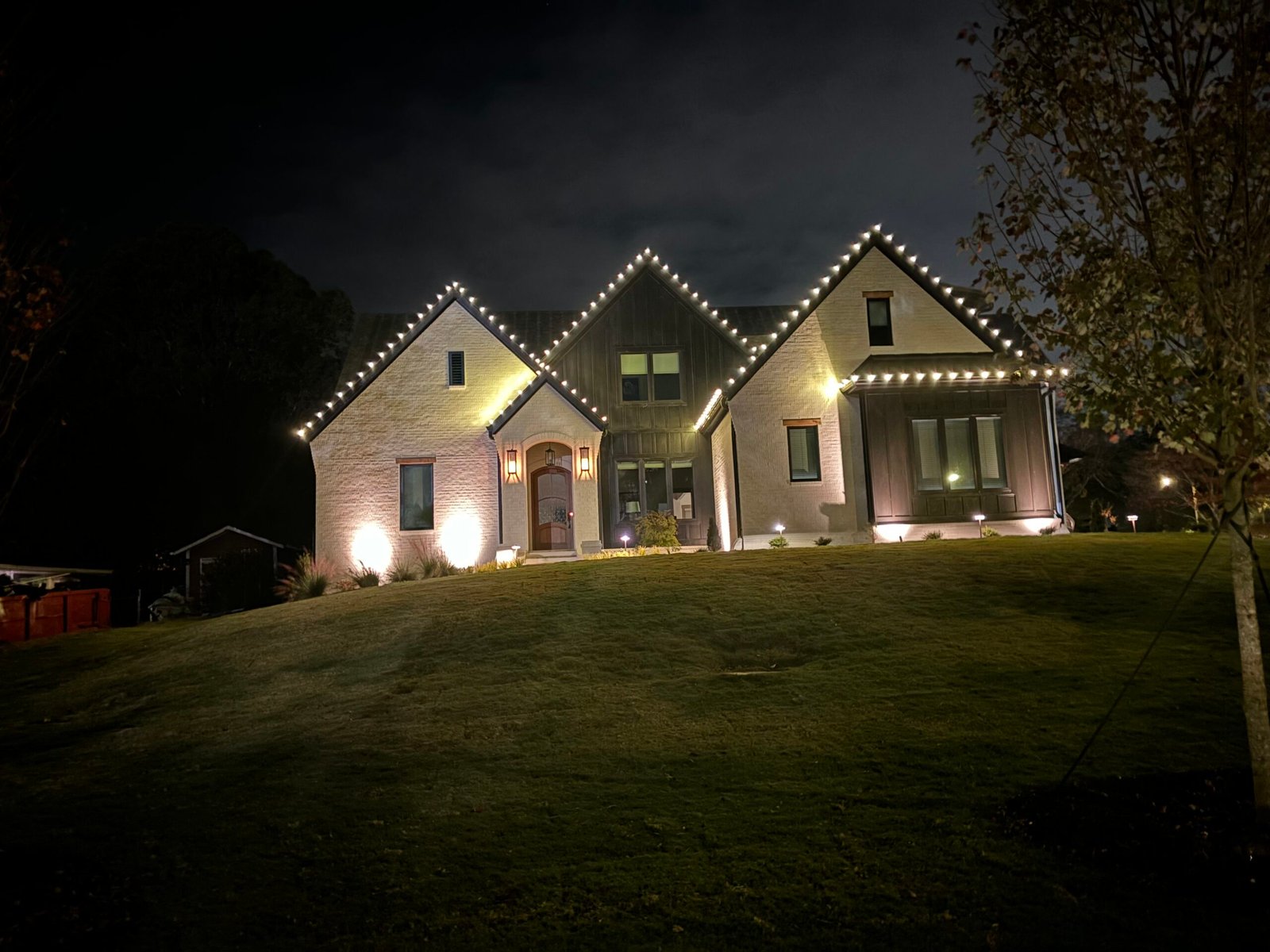
The focus is the visible roof shape, peaks, eaves, transitions, and how the display reads from normal street approaches. A roofline plan is strongest when it follows the architecture instead of treating every edge equally. Photographs from likely viewing angles help identify the peaks and horizontal lines that carry the design.
Household decision-makers should agree on the most visible elevations, entry areas, and gathering spaces before discussing details with an installer. The goal is not to select a generic package. It is to give Red Clay enough property-specific context to discuss fit, priorities, timing, and the next step.
How to Define the Scope
separate must-have areas from optional areas, identify restrictions, and record every inclusion that matters to the decision. A useful scope describes locations and responsibilities, not just a desired look. It should be detailed enough that the customer can understand what is included and what still requires confirmation.
- Record the exact property address and the areas visible from normal approaches.
- Separate must-have display areas from optional ideas.
- Identify access limits, operating hours, gates, parking rules, and approval contacts.
- State the desired completion window without assuming availability.
- Ask what installation, materials, seasonal service, removal, and storage are included in the written scope.
Create a simple property visibility plan
Mark the main street view, the primary entrance, pedestrian areas, and any secondary elevation worth considering. Note when each area is busiest and whether landscaping, height, traffic, gates, or operating hours affect how it can be reviewed or reached. For a home, record anything that could require coordination with another decision-maker.
Keep the review tied to the visible roof shape, peaks, eaves, transitions, and how the display reads from normal street approaches. That property-specific objective helps distinguish essential display work from ideas that can remain optional.
Look for scope differences hidden in the wording
Two proposals can sound similar while assigning different materials, service, removal, or storage responsibilities. Compare the named locations and deliverables line by line, and ask for clarification wherever the wording leaves an important expectation implied. For homeowners, the comparison should also reflect the approval and operating details that matter for a home.
Ask for alternatives in plain language and connect each one to a confirmed location or responsibility. The right question is which written scope most directly supports the stated priorities, timing, access conditions, and service expectations.
Questions that belong in the written scope
- Which exact rooflines, entries, trees, landscape features, buildings, or shared areas are included?
- Who supplies the lighting, greenery, controls, and installation materials?
- What access, operating-hour, parking, or approval assumptions affect the work?
- How are in-season issues reported, and what service is included?
- What are the confirmed responsibilities for takedown, ownership, labeling, handling, and storage?
What not to assume from an online guide
An article cannot confirm availability, price, electrical capacity, attachment methods, materials, response times, maintenance terms, removal dates, or storage. Those details depend on the property and the proposal Red Clay actually confirms. Treat examples and checklists as preparation tools, not contractual inclusions. Record every unresolved question beside the relevant property photograph so the estimator can address it directly during the property-specific review.
Turn property notes into a focused request
Combine the address, property type, important views, must-have areas, optional ideas, timing preference, approval contacts, and access notes. Add current photographs and a short list of unanswered questions for the Red Clay conversation. Add the questions raised by this how to define the scope and leave unconfirmed details for the written proposal.
Continue planning with Red Clay
Start with Christmas light installation in Tucker, GA, review the professional Christmas light installation service, compare estimate and cost factors, and browse the North Atlanta Christmas lighting guide library. Then call (770) 635-6811 with the property address, photographs, priorities, access notes, and desired timing.
